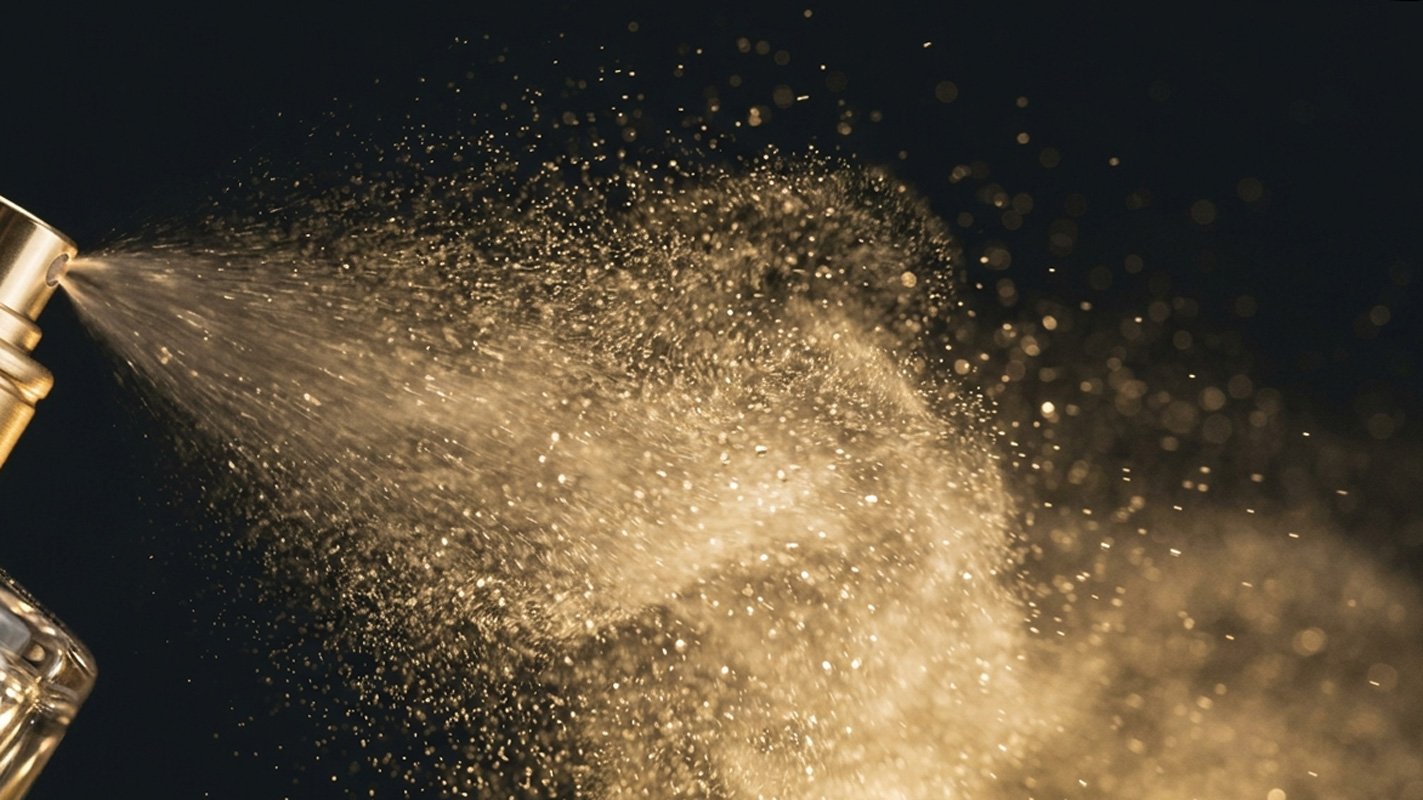
Perfumery: the sector where the customer walks in "just to look" and walks out 130 euros lighter.
The perfume market in Italy: its value and growth.
The Italian perfumery sector keeps growing. In 2024 the channel posted a 9.5% rise in sales, with total consumption above 2.77 billion euros.
Not bad for a market that, at first glance, might look like it's only about personal pleasure. In reality, behind a fragrance, a face cream or a make-up product there's a lot more: identity, status, the wish to feel well, the search for a small reward, and often a healthy dose of impulse.
Fragrances remain the undisputed protagonists, taking by far the largest share of sales in physical stores. Translation: perfumery is still one of the few places where the customer wants to try, smell, compare, ask for advice, and maybe talk themselves into believing that yes, this scent is who I am.
Online is growing too, especially for fragrances and make-up, while skincare shows signs of slowing. That doesn't mean people have stopped looking after themselves. More likely they've become more selective. Or they've finally worked out that you don't need seven different serums before bed.
The outlook stays positive, with the sector expected to keep growing through 2025 and 2026, pushing total consumption past 3.1 billion euros. Economic uncertainty is still a factor, of course. The customer may love accessible luxury, but the weekly shop keeps reminding them that reality exists.
The generational split is interesting.
For Gen Z, fragrance and make-up are tools of self-expression. I'm not just buying a product: I'm building an identity, saying who I am, changing style, communicating something.
For older buyers, perfumery keeps a stronger link to status, self-care, wellbeing and perceived quality.
Two different logics, same result: beauty remains a very powerful language.
Another notable phenomenon is the so-called "hour glass effect'. The market is polarising. More accessible products are growing at one end, premium and luxury at the other. The middle is left in the most uncomfortable position: too expensive to be a bargain, too undistinctive to be desirable.
In this landscape, perfumery holds a specific role against other channels. Supermarkets and pharmacies work on range and volume. Perfumery lives on specialisation, advice, experience, and the ability to give weight to categories with high emotional content, like fragrances and facial skincare.
The conclusion is simple: perfumery is not just a sales channel.
It's a small laboratory of contemporary consumption.
Where desire, identity, accessible luxury, premiumisation and the need to feel, at least for a few minutes, slightly better than the version that walked in through the door, all meet.
In summary
How big is the Italian perfumery market?
In 2024 the perfumery channel reached almost 2.8 billion euros in consumption, growing 9.5% (source: Cosmetica Italia). It is one of the most dynamic channels in Italian beauty.
What is the hourglass effect in beauty?
It's the polarisation of the market. Accessible products grow at one end, premium and luxury at the other, while the middle is squeezed: too expensive to be a bargain, too undistinctive to be desirable.