
Price vs. Value in M&A Transactions: A Fundamental Distinction
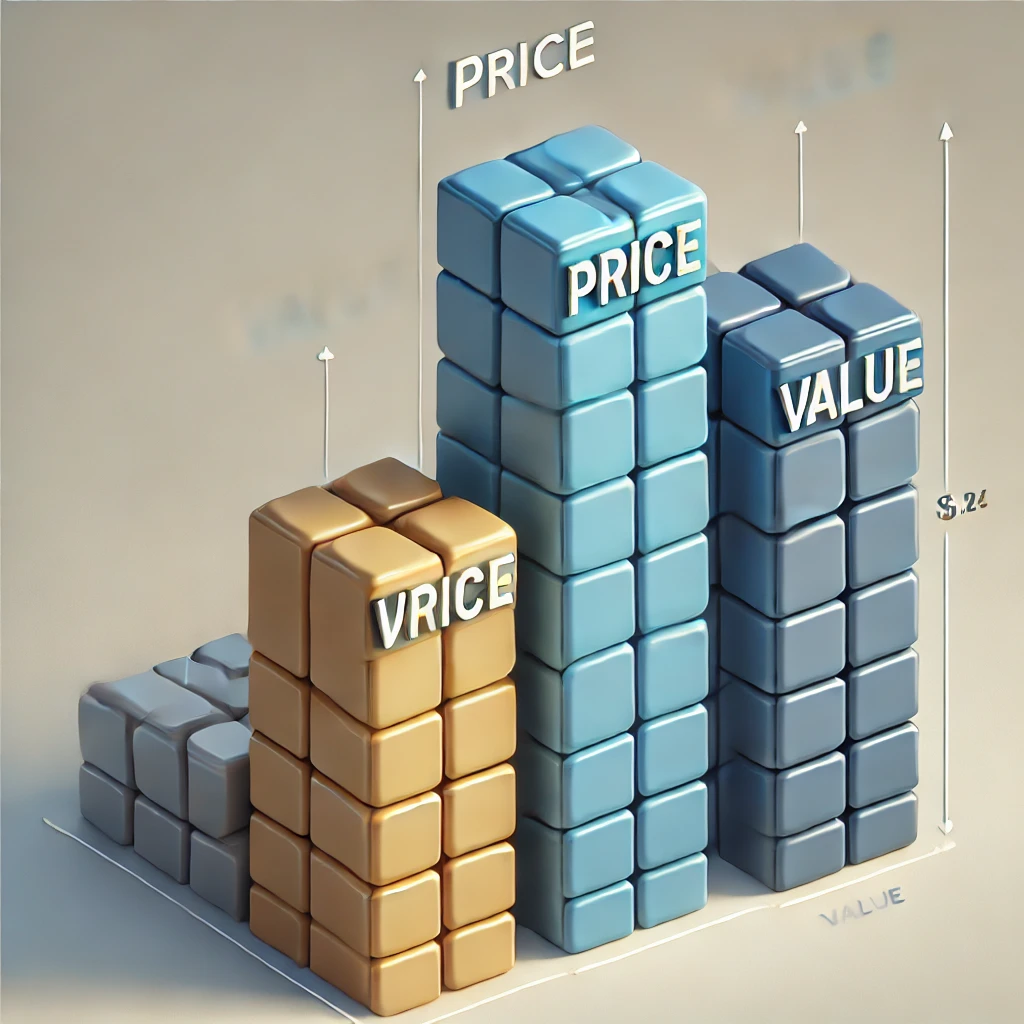
In the context of merger and acquisition (M&A) transactions, the distinction between price and value is a key element for the success of the deal. The two terms are often used interchangeably, but they actually refer to different concepts that are fundamental to negotiation and deal structuring.
Value: A Subjective and Multidimensional Concept
The value of a company is a subjective measure that varies depending on the perspective of the buyer and the seller. Some of the most common methods for determining value include:
- Intrinsic Valuation Based on discounted future cash flows (DCF), which reflect the company's ability to generate income over time.
- Comparable Valuation that compares the company with similar entities in the market, using industry multiples.
- Asset-Based Valuation Which considers the net value of the company's assets minus liabilities.
- Strategic Value Which depends on the synergy expected by the buyer, such as improved economies of scale or access to new markets.
The Price: The Result of Negotiation
The price, on the other hand, is the actual amount paid for the acquisition of a company. This is determined by a number of factors, including:
- Bargaining power of the parties: The negotiating power of the seller and the buyer can influence the final price.
- Market conditions The economic cycle, the level of available liquidity, and investor sentiment can affect the acquisition price.
- Deal structure Payment method, earn-out, price adjustment clauses, and warranties can affect the actual amount paid.
- Due diligence: A thorough analysis of the target company's assets, liabilities, and risks can lead to changes in the initially estimated price.
Why Price and Value Can Differ?
There are several reasons why the price paid for a company can differ from its theoretical value:
- Synergies and Strategic Value A buyer may be willing to pay a premium over the market value to gain operational and strategic synergies.
- Information Asymmetry If one party has more detailed information than the other, it can secure more favorable terms.
- Market Conditions During periods of high liquidity, investors may be more inclined to pay higher multiples.
- Psychological Factors FOMO (Fear of Missing Out), competitive pressures, or personal interests of decision-makers can influence the final price.
WA

